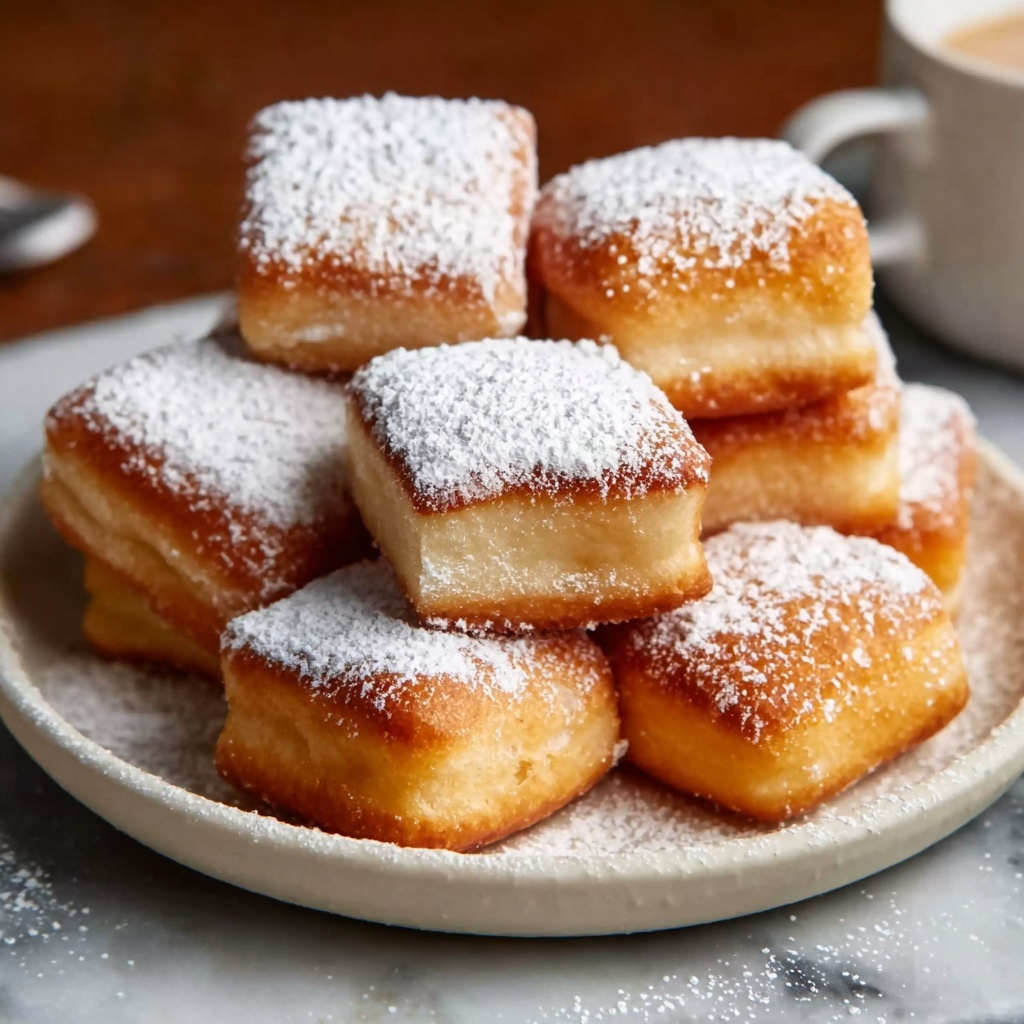
If you’ve ever dreamed of a treat that’s light, fluffy, and bursting with sweet, buttery goodness, then this Glazed Buttermilk Beignets Recipe is exactly what you need to bring a little taste of joy to your kitchen. These golden pillows of deliciousness are so simple to make yet so incredibly satisfying, with the tender bite of buttermilk dough perfectly complemented by a shiny, irresistible vanilla glaze. You’re about to discover a show-stopping recipe that’s perfect for breakfast, dessert, or any moment that calls for a little indulgence!
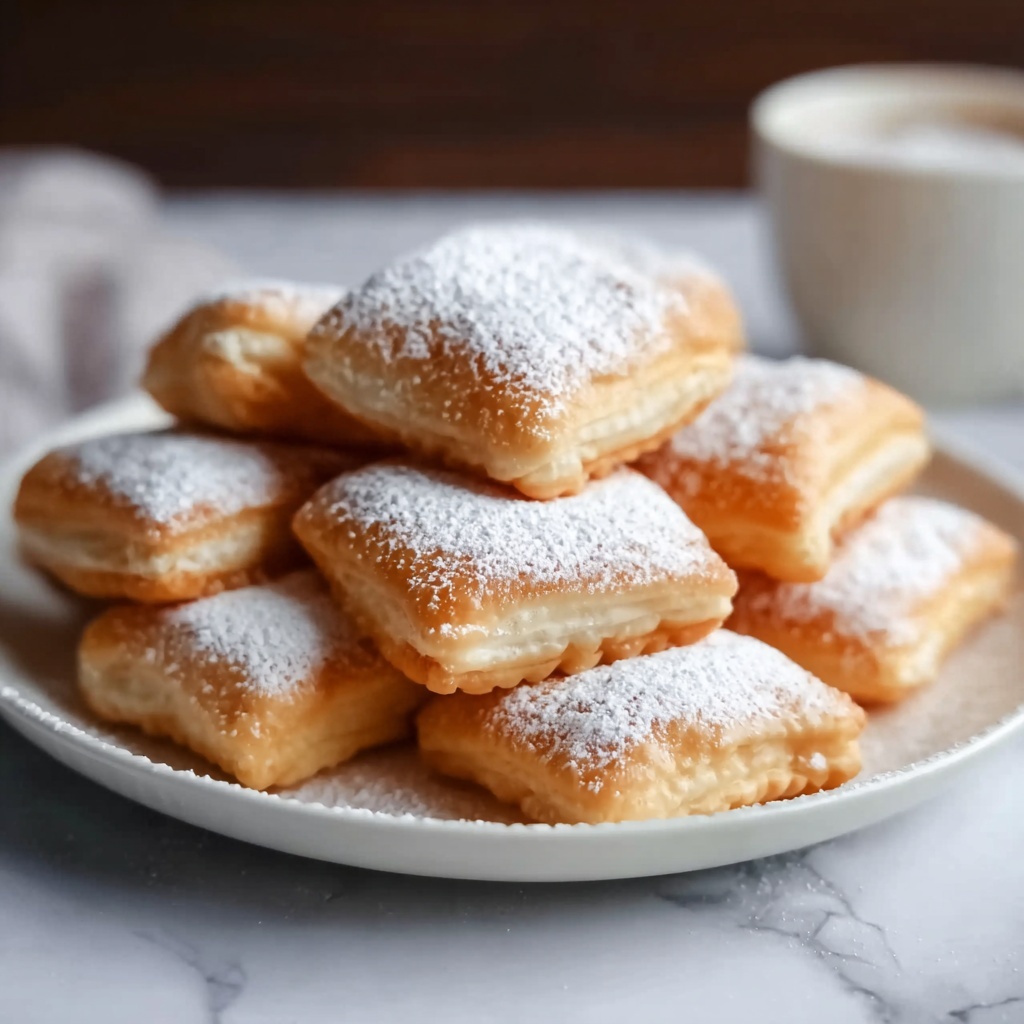
Ingredients You’ll Need
Gathering the right ingredients is the first step toward beignet bliss, and you’ll be pleased to know that this recipe relies on straightforward pantry staples. Each component plays a vital role in building the perfect texture, flavor, and that iconic golden hue.
- Active dry yeast (2 1/4 teaspoons): This little powerhouse makes the dough rise light and airy, creating those signature fluffy pockets inside.
- Warm water (1/4 cup, 110°F): Just the right temp to wake up the yeast and get it bubbling happily.
- Buttermilk (1/2 cup, room temperature): Adds tangy richness and tenderness to the dough.
- Granulated sugar (1/4 cup): Balances the tang of buttermilk with mellow sweetness, enhancing browning during frying.
- Unsalted butter (1/4 cup, melted): Brings a luscious buttery flavor and moist crumb.
- Salt (1/2 teaspoon): A pinch to highlight all the sweet and savory notes.
- Egg (1 large): Binds the dough and adds richness for a smooth, pliable texture.
- All-purpose flour (2 1/2 cups plus for dusting): The structure of the dough — enough to keep it tender without weighing it down.
- Vegetable oil (for frying): A neutral oil with a high smoke point, perfect for golden, crispy edges without overpowering flavor.
- Powdered sugar (1 cup): The star of the glaze, providing sweetness and a soft finish.
- Milk or buttermilk (2–3 tablespoons): To thin the glaze to that perfect drip-worthy consistency.
- Vanilla extract (1/2 teaspoon): Adds warmth and depth to the glaze for maximum yum.
How to Make Glazed Buttermilk Beignets Recipe
Step 1: Activate Your Yeast
Start by mixing the warm water with the active dry yeast in a small bowl. Give it about 5 to 10 minutes to become foamy and alive—that’s the promise of fluffy beignets in the works. This little bubble party tells you the yeast is ready to work its magic.
Step 2: Combine the Wet and Dry Ingredients
In a large bowl, whisk together your bubbly yeast mixture, the creamy buttermilk, sugar, melted butter, salt, and egg. Then, stir in 2 cups of flour to bring the dough together, adding the remaining half cup gradually until you have a soft, slightly sticky dough that will be perfect for kneading.
Step 3: Knead and Rise
Flour your surface lightly and knead your dough for about 5 to 6 minutes. This develops the gluten, giving your beignets that ideal tender chew. Place the dough in a greased bowl, cover it with a cozy towel, and let it rise in a warm spot for about an hour or until it has doubled in size, which feels like pure anticipation.
Step 4: Shape Your Beignets
Once the dough has puffed up nicely, punch it down gently and roll it out to approximately 1/2 inch thickness. Cut into fun squares or rectangles—these little shapes turn into golden clouds of deliciousness after frying.
Step 5: Fry to Perfection
Heat your vegetable oil in a deep pot to 350°F (175°C). Carefully drop the dough pieces in batches, frying each side for only 1 to 2 minutes until they’re beautifully golden. Drain them on paper towels to keep that perfect crisp exterior without any oiliness.
Step 6: Create the Glaze
Whisk together powdered sugar, your choice of milk or buttermilk, and vanilla extract until smooth and luscious. This glaze is what turns these fluffy beignets into an unforgettable treat.
Step 7: Glaze and Set
Dip each warm beignet into the glaze, letting any excess drip off before placing it on a rack to set. Watching that sugary shine form is honestly one of the most satisfying parts of making this recipe!
How to Serve Glazed Buttermilk Beignets Recipe
Garnishes
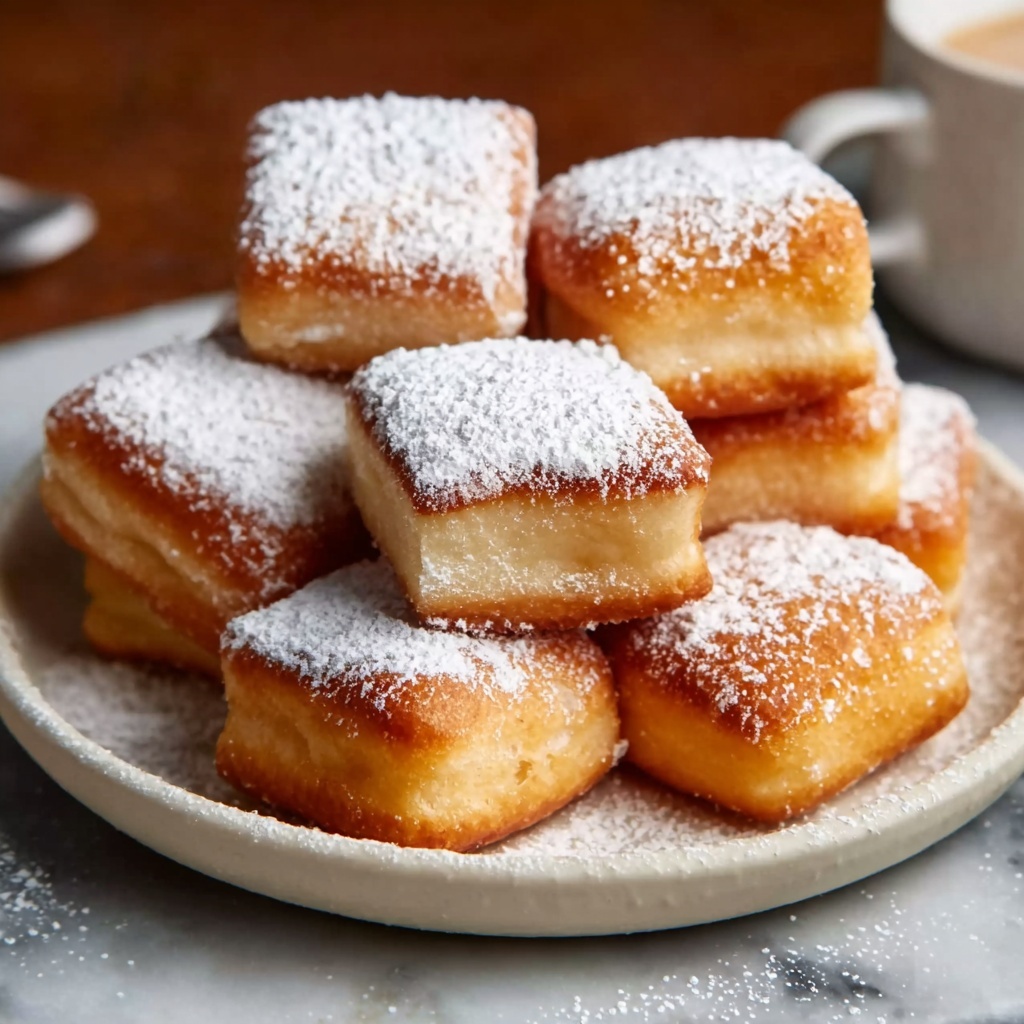
Sometimes simple is best, but you can elevate these delights by dusting a little extra powdered sugar over the top or sprinkling crushed nuts like pistachios or almonds for a touch of crunch. Fresh berries or a light drizzle of chocolate sauce can also add an irresistible flair.
Side Dishes
Serve these beignets alongside a steaming cup of cafe au lait, hot chocolate, or even a boldly brewed coffee to balance the sweetness. For a brunch spread, they pair beautifully with fresh fruit salads or creamy yogurt parfaits.
Creative Ways to Present
Arrange them in a pyramid on a pretty platter for a brunch centerpiece, or stuff them with jams or sweetened cream cheese before glazing for a delightful surprise inside. You can also stack them with layers of glaze in between to create a glazed beignet tower that’s as stunning as it is scrumptious.
Make Ahead and Storage
Storing Leftovers
If you’re lucky enough to have leftovers (which might be tough!), store them in an airtight container at room temperature for up to 2 days to maintain their soft texture and glaze shine.
Freezing
For longer storage, freeze cooled, unglazed beignets in a single layer on a baking sheet, then transfer them to a freezer-safe bag. They’ll keep well for up to 2 months and can be quickly fried or warmed up fresh whenever the craving strikes.
Reheating
Reheat by briefly popping them in a 350°F oven for 5 to 7 minutes until warm and refreshed. Avoid the microwave if you want to keep their signature crisp edges. Once reheated, you can dip them back into the glaze for that freshly made feel.
FAQs
Can I use regular milk instead of buttermilk?
While buttermilk adds a unique tang and tenderness, you can substitute regular milk with a splash of lemon juice or vinegar to mimic the acidity for similar results.
Is there a gluten-free option for this recipe?
Gluten-free flours can be tricky with yeasted doughs, but a blend designed for baking may work if it contains xanthan gum. The texture might vary, but it’s worth experimenting for those with dietary restrictions.
Why do my beignets come out greasy?
This usually happens if the oil temperature is too low. Make sure it’s at 350°F before frying, so the beignets cook quickly and absorb less oil.
Can I make the dough the night before?
Absolutely! You can prepare the dough and let it rise slowly in the fridge overnight. Just bring it back to room temperature before shaping and frying.
What’s the best way to test if the oil is ready?
Use a kitchen thermometer for precision. Alternatively, drop a small piece of dough into the oil; it should float and bubble vigorously without browning too fast.
Final Thoughts
I can’t recommend this Glazed Buttermilk Beignets Recipe enough for anyone who loves a sweet, soft, and satisfying treat. It’s hands-down one of those recipes that turns an ordinary day into something special with just a little effort and a lot of joy. Whether you’re new to frying or a seasoned baker, these beignets will quickly become a beloved favorite in your recipe box. So grab your ingredients, roll up your sleeves, and make some magic!
Print
Glazed Buttermilk Beignets Recipe
- Prep Time: 20 minutes
- Cook Time: 30 minutes
- Total Time: 1 hour 50 minutes
- Yield: 12 servings
- Category: Dessert
- Method: Frying
- Cuisine: French
Description
These Glazed Buttermilk Beignets are a delightful treat featuring a light, airy dough fried to golden perfection and coated with a sweet vanilla glaze. Perfect for breakfast, brunch, or an indulgent snack, these classic French-style doughnuts are irresistibly soft inside with a crisp exterior.
Ingredients
Dough Ingredients
- 2 1/4 teaspoons active dry yeast (1 packet)
- 1/4 cup warm water (110°F)
- 1/2 cup buttermilk, at room temperature
- 1/4 cup granulated sugar
- 1/4 cup unsalted butter, melted
- 1/2 teaspoon salt
- 1 large egg
- 2 1/2 cups all-purpose flour (plus more for dusting)
Frying
- Vegetable oil, for frying
Glaze Ingredients
- 1 cup powdered sugar
- 2–3 tablespoons milk or buttermilk
- 1/2 teaspoon vanilla extract
Instructions
- Activate Yeast: In a small bowl, combine warm water and active dry yeast. Allow it to sit for 5–10 minutes until the mixture becomes foamy, indicating the yeast is active.
- Make Dough: In a large bowl, mix together the foamy yeast mixture, buttermilk, granulated sugar, melted butter, salt, egg, and 2 cups of flour. Stir until combined, then gradually add the remaining flour until a soft, slightly sticky dough forms.
- Knead Dough: Turn the dough onto a floured surface and knead for 5–6 minutes until smooth and elastic. Place the dough in a greased bowl, cover it with a clean towel or plastic wrap, and let it rise in a warm area for about 1 hour or until doubled in size.
- Shape Beignets: After rising, gently punch down the dough to release air. Roll it out on a floured surface to approximately 1/2 inch thickness. Cut the dough into squares or rectangles, typically about 2 to 3 inches each.
- Heat Oil and Fry: In a deep pot, heat vegetable oil to 350°F (175°C). Carefully fry the beignets in batches, cooking them for 1–2 minutes on each side until they achieve a golden brown color. Use a slotted spoon to transfer the cooked beignets onto paper towels to drain excess oil.
- Prepare Glaze: In a bowl, whisk together powdered sugar, milk or buttermilk, and vanilla extract until smooth and slightly runny to create the glaze.
- Glaze Beignets: While the beignets are still warm, dip them into the glaze, allowing excess to drip off. Place the glazed beignets on a wire rack to set the glaze and cool slightly before serving.
Notes
- Ensure the water for activating yeast is warm, not hot, to avoid killing the yeast.
- Kneading the dough well develops gluten for the perfect airy texture.
- Maintain the oil temperature at 350°F to ensure even frying and avoid greasy beignets.
- You can substitute milk for buttermilk in the glaze if desired but buttermilk adds a tangy flavor.
- Serve beignets fresh and warm for the best experience, as they are best eaten soon after frying and glazing.
- Store leftovers in an airtight container at room temperature and reheat briefly before serving.