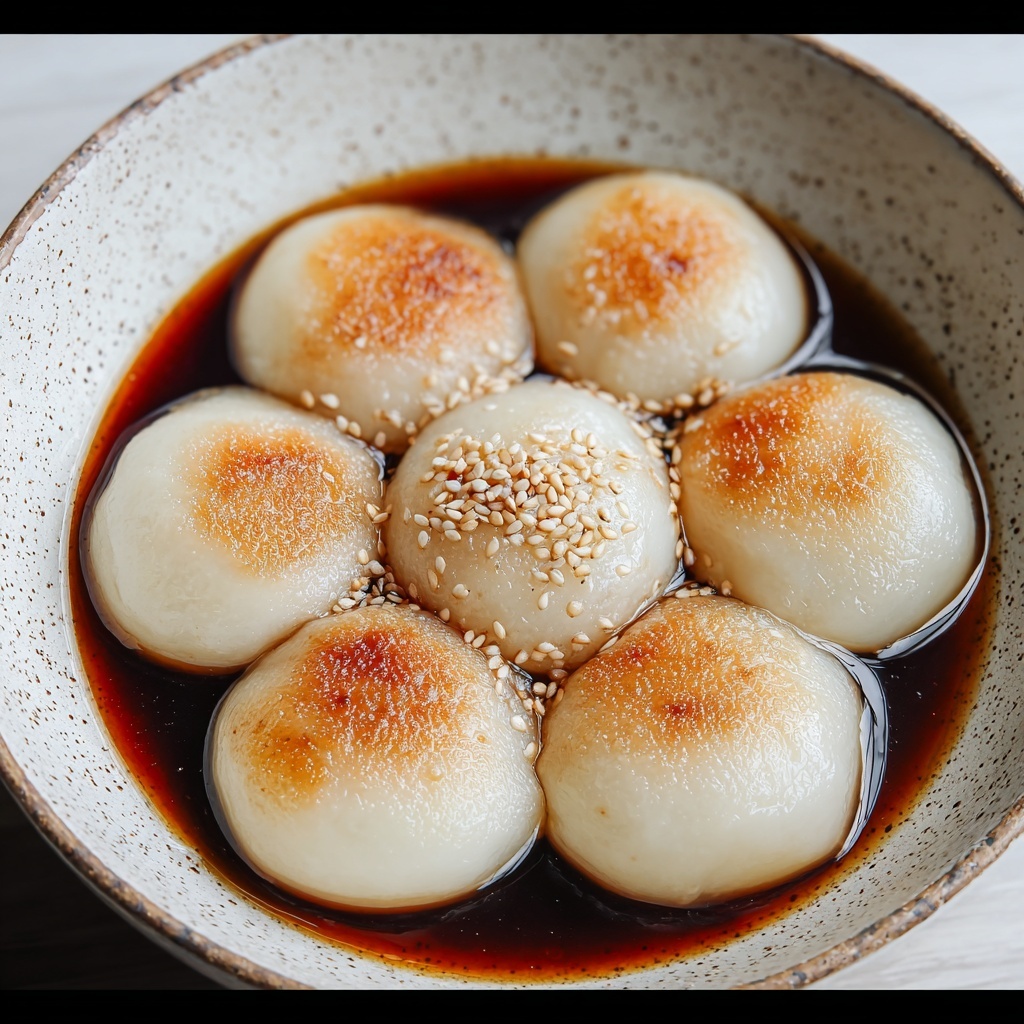
If you have a soft spot for delightful, chewy treats, then you are going to absolutely fall in love with this Shiratama Dango Recipe. These Japanese mochi dumplings bring together the comforting texture of glutinous rice flour with a subtly sweet finish that feels like a little bite of happiness. Perfect for a quick dessert or a fun snack, Shiratama Dango is both simple to make and endlessly versatile, inviting you to get creative with toppings and presentations while staying true to a delicate tradition.
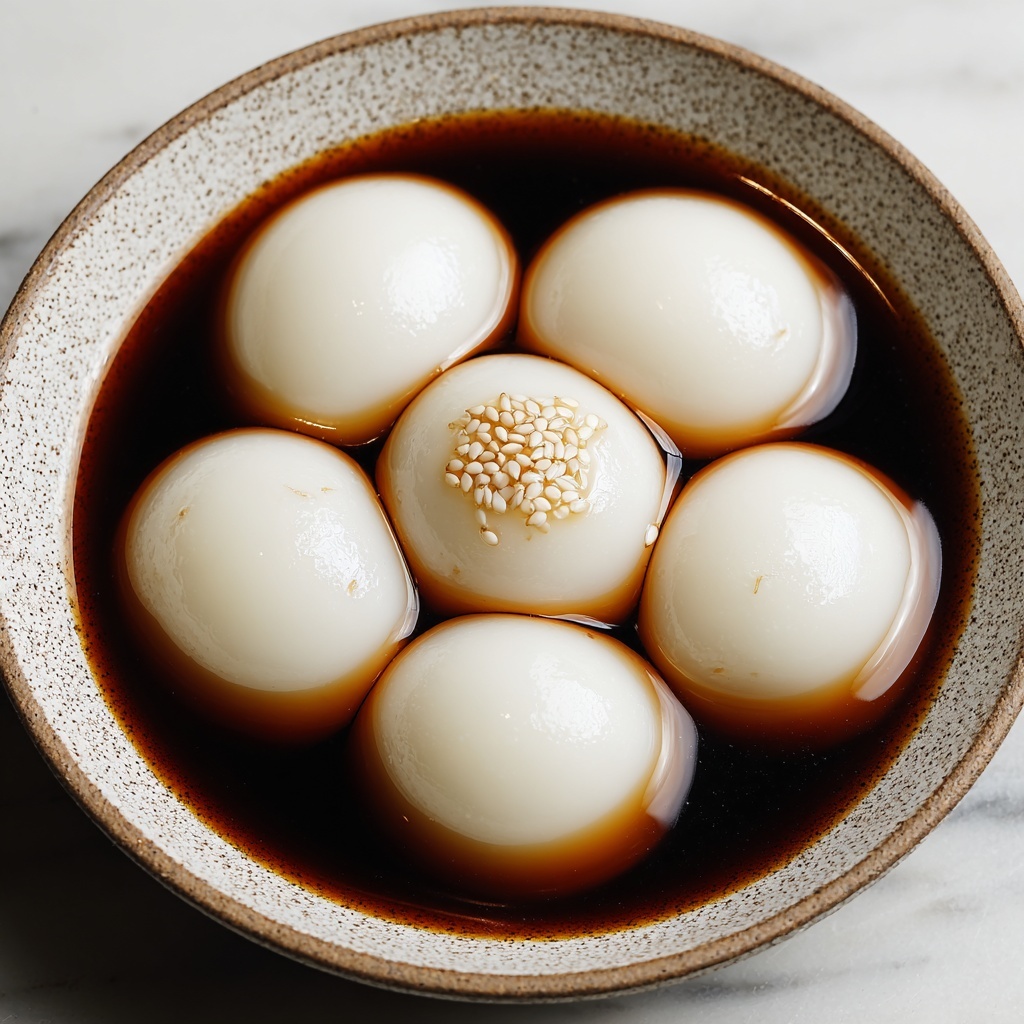
Ingredients You’ll Need
With just a handful of ingredients, this Shiratama Dango Recipe is wonderfully approachable. Each component plays a crucial role in creating that perfect balance of chewiness, sweetness, and flavor that makes these dumplings so irresistible.
- Shiratamako (1 cup): The star ingredient, this glutinous rice flour forms the tender and chewy dumpling base.
- Warm water (1/2 cup plus 1 tablespoon): Added gradually to the flour, it helps form a soft, pliable dough resembling earlobe texture.
- Kinako (1/4 cup): Roasted soybean flour used for coating, adding a nutty aroma and subtle earthiness.
- Granulated sugar (2 tablespoons): Mixed with kinako for a sweet, slightly crunchy coating.
- Sweet red bean paste (anko) (1/2 cup, optional): A classic topping that introduces a rich sweetness complementing the chewy dango.
- Fresh fruit (strawberries or mandarin slices, optional): Adds vibrant color and a refreshing burst of flavor alongside the dumplings.
How to Make Shiratama Dango Recipe
Step 1: Prepare the Dough
Start by placing the shiratamako in a mixing bowl. Slowly add the warm water a little at a time, kneading gently with your hands to create a soft, smooth dough. Aim for a consistency similar to an earlobe—soft but not sticky. This tactile cue is essential for the perfect dango texture.
Step 2: Shape the Dumplings
Divide the dough into 12 equal pieces. Roll each piece into a smooth ball, then gently press the center of each ball slightly flat. This little detail helps the dumplings cook evenly and prevents them from puffing up awkwardly during boiling.
Step 3: Boil the Dango
Bring a pot of water to a gentle boil. Carefully drop the dumplings into the water. They will sink at first but wait patiently; once they float to the surface, let them cook for an additional minute. This ensures the inside is cooked through without a gummy texture.
Step 4: Cool the Dango
Using a slotted spoon, transfer the cooked dango immediately into a bowl of ice water. This step is crucial to cool and firm them up, giving that pleasant bounce when you bite into them. After about a minute, drain them well to avoid sogginess.
Step 5: Coat and Serve
Now for the fun part! Toss the dango in a mixture of kinako and sugar for a traditional coating. Or, for a more decadent treat, serve them topped with sweet red bean paste and fresh fruits. There’s something magical about these simple additions that highlight the dumplings’ subtle charm.
How to Serve Shiratama Dango Recipe
Garnishes
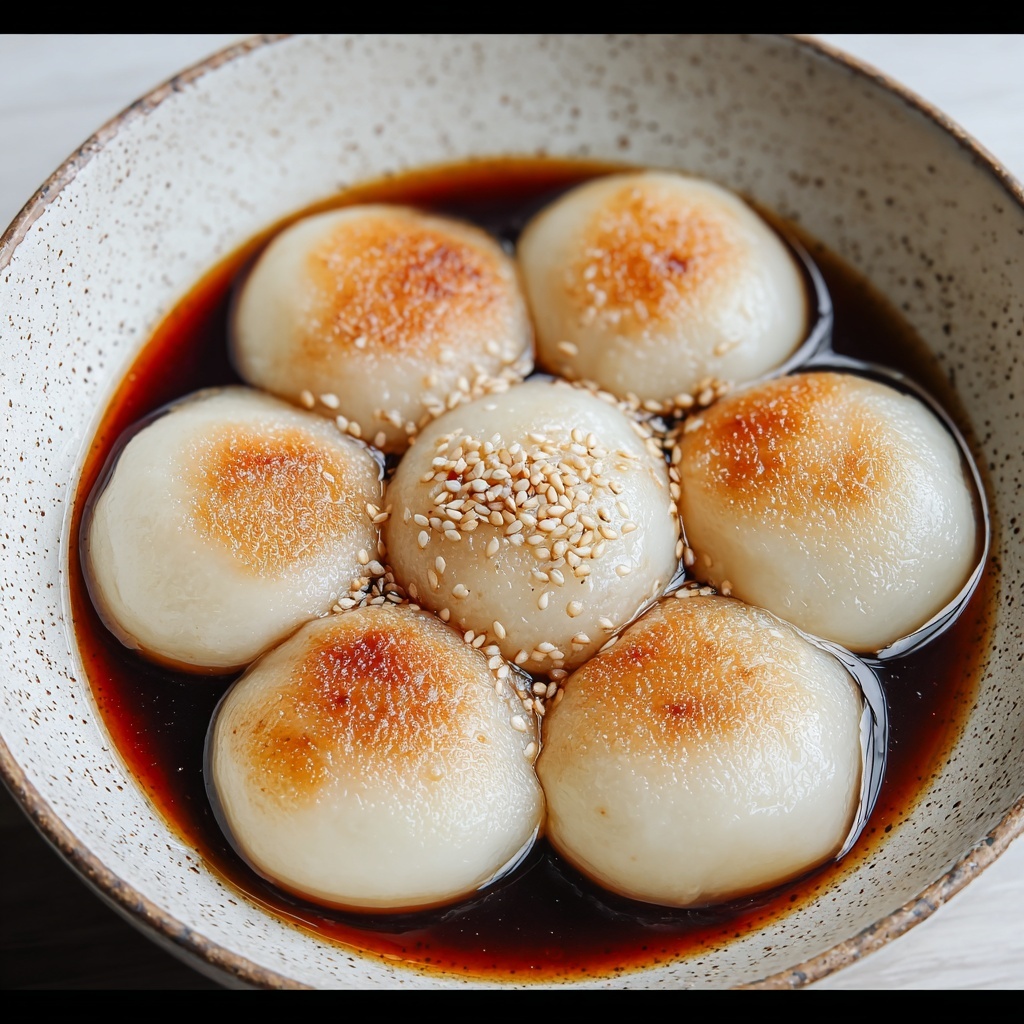
Garnishing your Shiratama Dango is where personal style shines. Kinako and sugar are classic options that bring nuttiness and a gentle crunch. Sweet red bean paste adds a rich, velvety contrast, while fresh strawberries or mandarin slices infuse a burst of color and freshness. Feel free to sprinkle a bit of toasted sesame for an extra layer of flavor.
Side Dishes
While Shiratama Dango can easily stand alone as a sweet snack, it’s a fantastic companion to other Japanese desserts like anmitsu or zenzai. Pairing it with chilled matcha tea or a light fruit parfait elevates the overall experience, balancing chewy, creamy, and refreshing notes in every bite.
Creative Ways to Present
Don’t hesitate to get creative with your presentation! Thread the dango onto skewers for a festive look, or serve them in elegant glass bowls layered with fruit and syrup. You can even make mini dango parfaits by layering dumplings with whipped cream, fruit, and a drizzle of honey. This Shiratama Dango Recipe invites endless customization to dazzle your friends and family.
Make Ahead and Storage
Storing Leftovers
Shiratama Dango tastes best fresh on the day they are made as their signature chewy texture softens over time. If you have leftovers, store them in an airtight container in the refrigerator, but be aware that they may become a bit firmer and lose some of their springiness.
Freezing
Freezing is not ideal for these delicate rice dumplings because their texture suffers significantly once thawed, often becoming tough or crumbly. For the best experience, it’s recommended to enjoy Shiratama Dango fresh.
Reheating
If you must reheat, gently warm the dango by briefly immersing them in hot water until soft again. Avoid microwaving as it can dry them out or cause uneven heating. Refreshing them this way can revive some of that original chew and tenderness.
FAQs
What is Shiratama Dango made from?
Shiratama Dango is made primarily from shiratamako, a type of glutinous rice flour that gives the dumplings their soft and chewy texture. Mixed with warm water, the flour forms a dough that is boiled to perfection.
Can I use regular rice flour instead of shiratamako?
Regular rice flour does not have the same elastic properties as shiratamako, so it is not recommended. Shiratamako is specially milled to produce the smooth, chewy texture that defines Shiratama Dango.
How long do Shiratama Dango last after making?
Because of their fresh, moist texture, Shiratama Dango are best eaten the same day. They can be kept in the refrigerator for a day, but their texture will become firmer and less enjoyable.
Is Shiratama Dango gluten-free?
Yes! Shiratama Dango is naturally gluten-free since it is made from glutinous rice flour, which contains no wheat gluten, making it perfect for gluten-free diets.
Can I add flavors to the dough?
While traditional Shiratama Dango dough is unflavored to highlight its pure texture, you can experiment with adding subtle flavors like matcha powder or fruit purees. Just be mindful that added ingredients can affect texture and cooking.
Final Thoughts
I cannot recommend this Shiratama Dango Recipe enough if you’re looking to bring a little authentic Japanese sweetness into your kitchen. It’s straightforward, fun to make, and endlessly adaptable to suit your mood or occasion. Treat yourself and your loved ones to these tender, chewy dumplings paired with your favorite toppings—you might just find a new favorite snack to treasure forever.
Print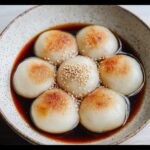
Shiratama Dango Recipe
- Prep Time: 10 minutes
- Cook Time: 5 minutes
- Total Time: 15 minutes
- Yield: 12 pieces
- Category: Dessert
- Method: Boiling
- Cuisine: Japanese
- Diet: Vegetarian,Gluten Free
Description
Shiratama Dango are soft and chewy Japanese rice flour dumplings made from shiratamako, perfect as a traditional dessert or sweet snack. These bite-sized mochi balls are boiled until they float and then coated with kinako and sugar or served with sweet red bean paste and fresh fruit for a delightful balance of textures and flavors.
Ingredients
Dango Dough
- 1 cup shiratamako (glutinous rice flour)
- 1/2 cup plus 1 tablespoon warm water
Toppings & Coating
- 1/4 cup kinako (roasted soybean flour) for serving
- 2 tablespoons granulated sugar for coating
- 1/2 cup sweet red bean paste (anko) optional
- Fresh fruit such as strawberries or mandarin slices optional
Instructions
- Prepare the Dough: Place the shiratamako in a mixing bowl. Gradually add the warm water a little at a time, mixing with your hands until a soft, smooth dough forms that feels like an earlobe in texture. This ensures the right consistency for a chewy but tender dango.
- Shape the Dumplings: Divide the dough into 12 equal portions and roll each into a smooth ball. Gently flatten each ball slightly in the center to promote even cooking.
- Boil the Dango: Bring a pot of water to a gentle boil. Carefully drop the dango into the boiling water and cook for 2 to 3 minutes, or until the dumplings float to the surface. After they float, continue cooking for an additional 1 minute to ensure they are fully cooked through.
- Cool the Dango: Remove the boiled dango with a slotted spoon and immediately transfer them to a bowl of ice water. Let them cool for 1 minute to firm up the texture and stop the cooking process.
- Drain and Serve: Drain the dango well. For serving, toss them in a mixture of kinako and sugar, or top with sweet red bean paste and fresh fruit for varied, traditional flavors.
Notes
- Shiratama dango are best enjoyed fresh on the same day for the softest and most desirable texture.
- They are commonly used as toppings for Japanese desserts such as anmitsu, zenzai, or fruit parfaits.